
Recognizing when a loved one may need assisted living is never easy. Many seniors value their independence, but as daily tasks become more challenging, additional support can greatly improve their safety, health, and overall quality of life. Identifying the signs early allows families to make informed decisions before an emergency or health crisis occurs.
Common Signs to Watch For
One of the first indicators is difficulty managing everyday activities. If your loved one struggles with bathing, dressing, preparing meals, housekeeping, or taking medications correctly, they may benefit from assistance. Frequent falls, trouble walking, or concerns about home safety are also important warning signs.
Changes in eating habits, noticeable weight loss, poor personal hygiene, and increasing forgetfulness can indicate that living independently has become more difficult. In addition, seniors who spend most of their time alone may experience loneliness, depression, and reduced physical activity, all of which can impact their well-being.
How Assisted Living Can Help
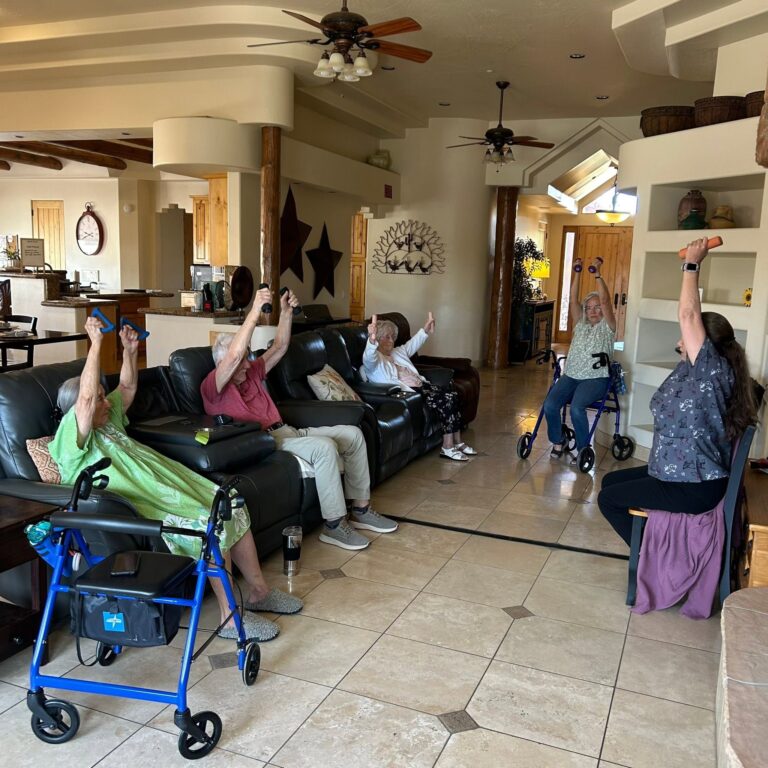
Assisted living communities provide personalized care tailored to each resident’s needs. Caregivers offer support with daily activities while encouraging independence whenever possible. Residents also enjoy nutritious meals, housekeeping services, medication management, wellness programs, and opportunities to participate in social events and recreational activities.
These communities create a safe, welcoming environment where seniors can receive the care they need without giving up their dignity or sense of purpose.
Final Thoughts
Choosing assisted living is a significant decision, but recognizing the signs early can make the transition smoother for everyone involved. With the right support, seniors can enjoy greater comfort, improved health, meaningful social connections, and a higher quality of life.